Shower Pressure Repair covers showerhead and fixture flow issues; typical repairs run $150–$500, depending on parts and access.
No Water After Adjusting the Main Shutoff Valve? What to Do Next
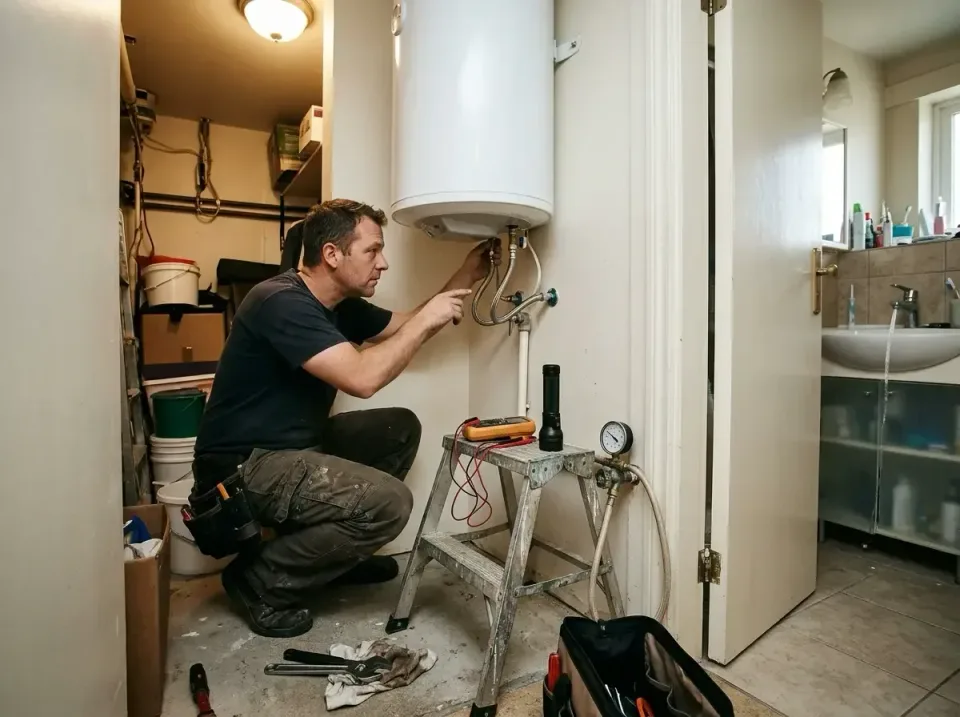
Why Is There No Water After Adjusting the Main Shutoff Valve?
If water stopped after you moved the main shutoff, stop turning the handle and check whether it is fully open. A stiff, damaged, or partly closed valve can interrupt supply, and forcing it may turn a small problem into a leak.
-
Check the position: If the handle is parallel to the pipe, the valve is generally open; turn it gently only if it moves freely.
-
Test more than one tap: A single dry faucet may have a local blockage, while several affected fixtures point toward the main supply.
-
Look for water: Check around the valve and visible piping for drips or pooling; do not touch electrical equipment in a wet area.
Kentucky gets precipitation throughout the year, so heavy rain can raise groundwater and add work for basement sump pumps; keep the valve area visible and dry enough to inspect. Autumn temperature swings also make seasonal pipe protection worthwhile, since exposed plumbing may need attention before cold weather arrives. If water does not return with a gentle check, leave the valve alone and arrange a plumbing inspection.
What Should You Check Before Turning the Valve Again?
No water at every fixture after a shutoff adjustment usually means the supply path is still closed or obstructed. First, stop using force. A gate valve that has sat untouched can have a worn stem or a loose internal part; turning the handle harder may damage it without reopening the passage.
Check whether the handle is fully in its open position and whether the water meter area or nearby piping shows a leak. Then try a cold-water tap at a nearby sink and one elsewhere in the home.
If both remain dry, the issue is unlikely to be one faucet’s aerator. We often find that homeowners skip checking the valve position after turning it only partway. Make a note of which fixtures have no water and whether hot and cold are both affected.
Could the Valve or Nearby Pipe Be Damaged?
Yes, especially if the valve was stiff, made a grinding sound, or began leaking after it moved. Older homes around Louisville Waterfront Park may have plumbing that has seen years of use; a valve can fail internally even when its handle appears to turn normally. Do not keep cycling it to test that theory.
High humidity can encourage basement moisture and mold, so a damp patch near the shutoff deserves attention even if the water loss seems unrelated. Dry the area only if it is safe, and watch for fresh water around joints or along the floor.
At Kentucky Plumbing Pros, our inspection starts with the valve and visible supply route, then we explain what we find before recommending work. If the home has no water anywhere, our No Water Pressure Repair service can help identify whether the shutoff, supply, or another point is involved.
When Is a Homeowner Check Enough?
A simple visual check is reasonable when the handle moves easily, there is no leak, and you can confirm it was left partly closed. Gently return it to the open position, then wait briefly and test a couple of taps. Stop if the handle binds, spins without changing water flow, or starts leaking. Those are signs to leave the valve alone.
A plumbing professional should take over when the valve will not move, water appears around its body, or the whole house stays dry after the basic check. Our crew has spent 11+ years working in Kentucky homes, and we use the pattern of affected fixtures to narrow the cause rather than replacing parts by guesswork. If the water returns but stays weak throughout the house, see our guide to what to check when water pressure suddenly falls throughout a house.
What Should You Tell the Plumber?
Give a short timeline: when you adjusted the shutoff, how far you turned it, and when the water stopped. Tell us whether all fixtures are affected, whether you see a leak, and whether the handle feels loose or stuck. These details help us plan access and avoid repeating tests that you have already made safely.
Clear a path to the shutoff and nearby piping, but do not remove covers or take plumbing apart. If the home has a basement or crawlspace, note where the valve is located and whether the area is wet.
We protect the work area and explain the diagnosis in plain language before discussing a repair. The goal is to restore the supply safely and leave the valve functioning as it should.
Which Checks Help After a Main Valve Adjustment?
The right next step depends on whether the interruption is limited to one fixture or affects the whole supply. A gentle position check is different from forcing a stuck valve, and neither can confirm hidden internal damage.
| Option | Best for | Key detail |
|---|---|---|
| Visual handle check | Valve may be partly closed | Stop if it binds or leaks |
| Test two fixtures | Determining how widespread the loss is | Compare separate locations in the home |
| Inspect visible supply | Finding drips near the shutoff | Do not handle wet electrical equipment |
| Plumber inspection | Stuck, damaged, or leaking valve | Diagnosis before repair |
In areas near Devou Park, freeze-thaw cycles can stress exposed plumbing and foundations, so mention any visible pipe movement or cracking. Cold snaps can also freeze exterior hose bibs and service lines; if those are involved, report the weather and location rather than repeatedly operating the indoor valve. Small details guide the inspection.
What Is the Key Shutoff Valve Tip for No Water?
Pro tip: A handle that turns is not proof that water is passing through the valve. We check the result at more than one fixture and look for leaks before deciding whether the shutoff itself has failed; that distinction prevents unnecessary work.
Common mistake: Forcing a stiff valve to make it turn farther.
Near Rupp Arena, as in homes elsewhere in Kentucky, tell the plumber whether the shutoff is on a municipal supply or a private well; that changes which parts of the system need checking. In eastern Kentucky, heavier snowfall can make exposed plumbing access more difficult, so mention pipes in an unheated area before the visit. William Feetham’s early mixing-valve patent is a reminder that hot-and-cold controls are not the same as the main supply shutoff; test the main supply at multiple fixtures, not just one mixed faucet.
Leave a stuck valve untouched and note what you observed.
Common Questions About Low Water Pressure Repair in Kentucky
What If Water Comes Back Briefly After I Adjust the Main Shutoff Valve?
If water returns and then stops, the valve may not be holding open or another supply issue may be interrupting flow. Note which fixtures work and when they stop, then avoid repeated handle turns; Kentucky’s humid continental climate brings warm summers and cool winters, so mention whether exposed piping may have been affected by seasonal conditions.
How Much Does It Cost to Fix No Water After Adjusting a Main Shutoff Valve?
A pressure diagnosis is typically $75–$250, with testing and access affecting the work; main shutoff valve replacement is commonly $200–$600, depending on valve size and access. Kentucky Plumbing Pros can inspect the valve and explain the findings before you decide on a repair.
Can I Fix No Water After a Main Valve Adjustment Myself?
Yes, if the handle moves freely and there is no leak, you can gently check that it is fully open and test more than one tap. Stop and call a plumber if it binds, spins without restoring water, or leaks; spring storms can bring heavy rain and localized flooding, so do not enter a flooded or electrically unsafe area to reach a valve.
Do Kentucky Permits Apply to Main Shutoff Valve Repairs?
Kentucky State Plumbing Code, 815 KAR Chapter 20, and applicable Kentucky plumbing permit and inspection requirements are relevant to plumbing work; local requirements can also apply. Ask a Kentucky licensed plumbing contractor to confirm what applies to the specific repair, especially if the work extends beyond a simple valve adjustment.
Could a Well Pump Be Why I Still Have No Water After Adjusting the Main Valve?
Yes, a private-well home can remain without water if the well pump or related supply equipment is not operating, even when the shutoff is open. Summer thunderstorms may interrupt power to well pumps, so check whether other electrical service is affected and tell the plumber what happened before arranging an inspection.
Get Help Restoring Water After a Main Valve Adjustment
If the whole home remains without water after a gentle position check, stop operating the valve and have the supply inspected. A leaking or stuck shutoff needs a closer look than repeated handle turns can provide.
Homes near Covington’s MainStrasse Village and other Kentucky communities can have different access and piping conditions, so share the valve location and the symptoms when arranging service. A private well pump may also need inspection if the home uses well water and the supply remains off.
Our team will trace the problem, explain the findings, and protect the work area while completing agreed repairs. For a practical next step, contact Kentucky Plumbing Pros or review our No Water Pressure Repair service to arrange an assessment.
Services Offered
Services We Offer in Louisville, KY
Explore related services available in Louisville, KY.
We test home pressure at hose bibs or laundry connections; access and seasonal protection needs shape the quote. University of Kentucky homeowners can plan around year-round rain and autumn pipe checks.
Whole-house pressure repairs trace weak flow across residential plumbing; typical work may run $150–$1,500, depending on access and repair scope.
No Water Pressure Repair tracks a complete home water loss to a valve, service line, or supply problem; many straightforward visits run about $100–$500, depending on access and repair scope.
We trace sudden home-wide pressure drops and repair the cause; access, parts, and the affected line determine typical job cost.
We trace weak hot-water flow to restrictions in the heater or hot-water piping; repair scope and access shape the quote. Churchill Downs-area homes can schedule around storm-season disruption.
We trace changing household pressure to its cause and repair the affected components; many straightforward jobs run $150–$500, depending on parts and access.
We repair or replace residential pressure regulators, checking valve condition and connections; parts, access, and regulator size shape the job cost.
We repair residential filter housings and cartridges; Newport Aquarium visitors know clean water matters, while storms near Churchill Downs can complicate access.
We locate and repair leaking water service lines, including buried pipe sections; typical repairs run $250–$1,500, depending on leak location and excavation.
Single Faucet Pressure Repair clears faucet aerator blockages and addresses fixture-level flow problems for homeowners; typical repairs run $125–$350, depending on access and parts.
We repair or replace residential main shutoff valves, accounting for valve size and access; replacement commonly runs $200–$600.
We repair residential well pumps, checking pressure controls and accessible connections; typical costs depend on pump components and site access.
We repair residential well pressure tanks, including tank components; typical jobs run $250–$1,200, depending on tank capacity and parts needed.
Clogged water line repair clears buildup in accessible home pipes; typical jobs run $150–$600, depending on blockage location and access.
Pipe Scale Removal clears mineral buildup from accessible household piping; typical jobs run $300–$1,500, depending on pipe length, access, and scale severity.
Cities & Towns
Service Areas in Louisville
Select a city to find local low water pressure repair providers we cover in Louisville.
Fort Knox, KY40121Crestwood, KY40014Masonville, KY42376Crestview Hills, KY41017Taylor Mill, KY41015Flatwoods, KY41139West Liberty, KY41472Irvine, KY40336Mount Vernon, KY40456Highland Heights, KY41076Hillview, KY40229Columbia, KY42728Benton, KY42025Cave City, KY42127Nicholasville, KY40356La Grange, KY40031Brandenburg, KY40108Anchorage, KY40223Union, KY41091Campbellsville, KY42718Russellville, KY42276Danville, KY40422Stanford, KY40484Jeffersontown, KY40220
Show all 171 cities
Mount Sterling, KY40353Hartford, KY42347Massac, KY42001Springfield, KY40069Westwood, KY41101Bardstown, KY40004Shepherdsville, KY40165Williamstown, KY41097Lyndon, KY40242Richmond, KY40475Cadiz, KY42211Monticello, KY42633Paris, KY40361Versailles, KY40383Francisville, KY41048Leitchfield, KY42754Maysville, KY41056Shively, KY40216Greenville, KY42345Whitesburg, KY41858Indian Hills, KY40207Somerset, KY42503Liberty, KY42539Pikeville, KY41501Burlington, KY41005Winchester, KY40391
Get a Quote
Get a Low Water Pressure Repair Quote in Louisville, KY
Share job details below or call our team directly. Phone: (877) 773-0781