Shower Pressure Repair covers showerhead and fixture flow issues; typical repairs run $150–$500, depending on parts and access.
Could a Watts Pressure-Reducing Valve Be Causing Low Water Flow?
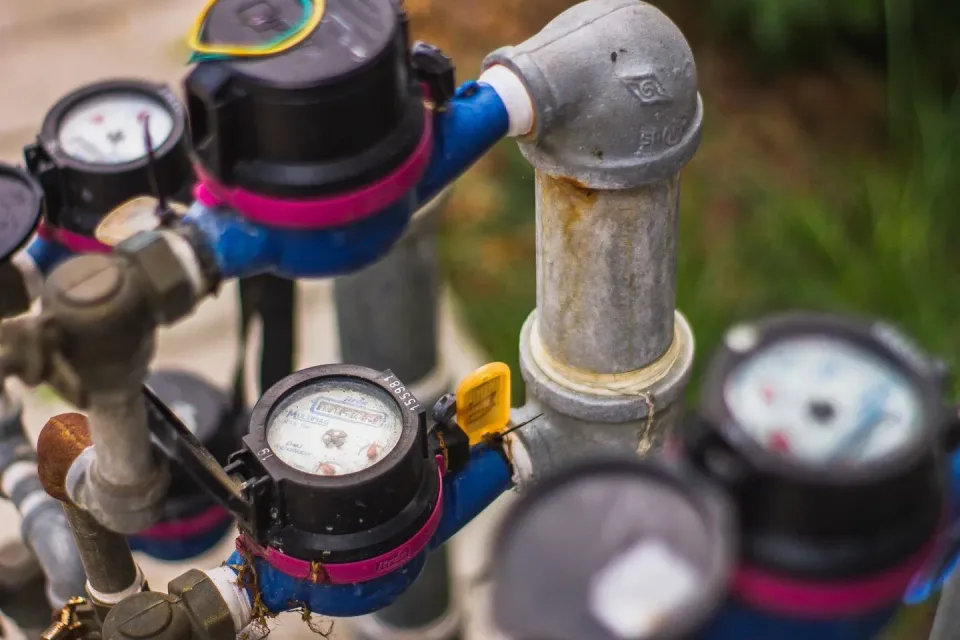
Can a Watts Valve Explain Weak Flow in Kentucky?
Yes a failing or misadjusted Watts pressure-reducing valve can restrict water flow throughout a home, especially when several fixtures weaken at once. A single clogged faucet usually points elsewhere, but widespread symptoms make the regulator worth checking. We start with measurements before recommending adjustment or replacement.
Near the Florence Y’all Water Tower, homeowners can use the same practical first step as anywhere else: note whether low flow affects every fixture or just one. If a home near Paducah’s Lower Town Arts District has a regulator that is hard to reach, clear access before an inspection to avoid delays. For properties around Abraham Lincoln Birthplace National Historical Park, tell us whether the problem began suddenly; that timing can help separate valve trouble from a new leak or obstruction.
Does the Valve Cause a Pressure Drop Under Demand?
Weak water flow at every faucet can come from a Watts pressure-reducing valve, but a pressure test not the brand name shows whether it is the cause. A worn internal seat, blocked screen, or setting that is too low can limit supply; a partly closed main valve or restricted pipe can produce similar symptoms. We compare pressure with fixtures idle and running before choosing a repair.
Static pressure is measured while water is not flowing; dynamic pressure shows what remains when a tap or shower runs. A valve may look acceptable at rest yet fail to maintain useful supply under demand.
That distinction matters when the shower weakens as another fixture turns on. We record the readings and check whether the loss begins across the regulator or farther downstream.
Kentucky’s humid continental climate brings warm summers and cool winters, so seasonal demand and exposed plumbing conditions can add context without proving a valve fault. Near Louisville Waterfront Park, a home’s regulator should be tested rather than adjusted by guesswork. The Big Four Bridge is another familiar Louisville reference point; nearby homeowners reporting whole-house symptoms can note which fixtures falter first to help narrow the test.
Can the Regulator Be Separated from Pipe Trouble?
Yes, by comparing pressure on both sides of the regulator where safe access permits and checking the system while water runs. If the inlet supply is steady but the outlet reading falls sharply, the valve becomes a stronger suspect. A restricted service line, scale, or a shutoff that is not fully open can also reduce delivery, so replacing the regulator before checking those points risks an unnecessary repair.
In Lexington, the Blue Grass Airport is a useful regional landmark, but distance from a utility or landmark does not identify the cause; measured readings do. Around Fort Knox, homeowners can help by listing whether upstairs fixtures are affected and whether hot and cold flow differ. We explain what the test shows before discussing the repair.
When Should You Call a Plumber Instead of Adjusting It?
A homeowner can observe symptoms and confirm that accessible fixture aerators are not clogged. Do not force a regulator adjustment or dismantle the valve if you are unsure how to isolate water safely; a sudden setting change can create new pressure problems. Call a plumber when several fixtures are weak, the adjustment does not hold, or the valve leaks or is corroded.
We have spent more than 11 years diagnosing Kentucky plumbing problems, including worn regulators and mineral buildup in older homes. At Lexington’s Kentucky Horse Park, horse farms and homes share the need for dependable water service, but each plumbing system still needs its own readings. The Red River Gorge Geological Area is a useful eastern Kentucky reference; for homes in that region, access to a regulator in a crawlspace may affect how testing is planned.
What Findings Support a Regulator Repair?
A consistent pressure loss across the valve, a failed adjustment, or visible leakage can support repair or replacement. A pressure reading alone is not enough if it was taken at only one fixture or while no water was running. We check the main shutoff and compare multiple readings, then explain whether the regulator, pipe, or another restriction best fits the evidence.
Shaker Village of Pleasant Hill gives central Kentucky readers a familiar location, but older or newer construction alike can have valve trouble. Our crew protects the work area, confirms the planned shutoff with occupants, and discusses findings in plain language before work begins. For a broader explanation of symptoms, see why water flow is weak at every faucet in a Kentucky home or how pressure changes when appliances start.
Which Repair Fits a Watts Valve Pressure Problem?
The right fix depends on whether the low flow is throughout the home, limited to one fixture, or tied to well equipment. Ashland, The Henry Clay Estate offers a familiar Kentucky reference, but a home’s test readings not its location guide the repair. In Covington’s MainStrasse Village, as elsewhere, a pressure problem should be traced before parts are chosen.
| Option | Best for | Key detail |
|---|---|---|
| Regulator repair | Whole-home low flow with a valve-related pressure loss | Common connections are ¾–1 inch |
| Single-faucet check | One weak tap | Household pipe is commonly ½ inch |
| Branch-line investigation | Several fixtures on one branch | Branch lines are commonly ¾ inch |
| Main service check | Widespread flow loss | Service is commonly ¾–1 inch |
Heavy rainfall can raise groundwater and sump-pump workloads, so protect access to basement plumbing during wet periods. Hot, humid summers increase indoor cooling demand; schedule plumbing work with household access and comfort in mind.
What Pressure Test Can Confirm a Watts Valve Problem?
Pro tip: If the shower weakens when another tap opens, ask for both a no-flow reading and a reading while water is running. A static number alone can hide a restriction that appears under demand, and pressure readings are expressed in pounds per square inch.
Near Western Kentucky University, homes may face spring storms that bring heavy rain and localized flooding; keep basement regulator access clear so an inspection is not blocked by stored items. Tornadoes are possible during Kentucky’s spring storm season, so avoid scheduling hands-on outdoor checks during threatening weather.
Common mistake: Turning the adjustment screw before confirming the valve is the source can mask the real restriction.
At Breaks Interstate Park, freeze-thaw cycles can stress exposed plumbing and foundations; after severe temperature swings, report any new leaks or changes in flow. Ask the plumber to explain where pressure was measured and what changed under demand.
Common Questions About Low Water Pressure Repair in Kentucky
Can a Watts Pressure-Reducing Valve Cause Low Hot Water Flow but Normal Cold Flow?
Yes, but normal cold flow with weak hot flow more often points to a restriction on the hot-water side than a whole-house regulator. Compare fixtures and ask for a pressure test at a hose bib or laundry connection before deciding whether regulator repair is needed.
What Does It Cost to Diagnose a Watts Valve Causing Low Water Flow?
Pressure diagnosis is typically $75–$250, depending on testing and access, while pressure-reducing valve repair is typically $150–$500 for parts and labor. Kentucky Plumbing Pros can explain the proposed work after checking the valve and pressure readings.
Should I Adjust a Watts Pressure Regulator Myself When Every Faucet Runs Weak?
No, not before confirming the regulator is the cause and identifying how to isolate water safely. If several fixtures have weak flow or the adjustment will not hold, ask Kentucky Plumbing Pros for Water Pressure Diagnosis rather than forcing the valve.
Do Kentucky Permits Apply When Replacing a Watts Pressure-Reducing Valve?
Kentucky State Plumbing Code, 815 KAR Chapter 20, and Kentucky plumbing permit and inspection requirements are relevant to plumbing work; requirements can depend on the job and jurisdiction. A Kentucky licensed plumbing contractor can help determine whether the specific replacement requires a permit or inspection.
What Should I Check Next If a Watts Valve Is Not Causing Weak Flow?
If pressure remains low after the regulator is ruled out, a restricted water service line, main shutoff, or well equipment may be involved. For a private well, Kentucky homeowners may need Well Pump Pressure Repair or Well Pressure Tank Repair after testing confirms the source.
Ready to Trace Weak Flow to the Watts Valve?
A Watts pressure-reducing valve can cause low flow, but similar symptoms can come from a shutoff, service line, or pipe restriction. The useful next step is a measured diagnosis, not a blind adjustment.
In winter, ice storms can disrupt travel and plumbing service access, so clear a safe route to the meter and regulator when possible. Near the National Corvette Museum, homeowners can prepare by noting which fixtures are affected and whether the change was sudden.
If a rural home uses a well, summer thunderstorms may interrupt power to well pumps, which can complicate pressure symptoms.
Services Offered
Services We Offer in Louisville, KY
Explore related services available in Louisville, KY.
We test home pressure at hose bibs or laundry connections; access and seasonal protection needs shape the quote. University of Kentucky homeowners can plan around year-round rain and autumn pipe checks.
Whole-house pressure repairs trace weak flow across residential plumbing; typical work may run $150–$1,500, depending on access and repair scope.
No Water Pressure Repair tracks a complete home water loss to a valve, service line, or supply problem; many straightforward visits run about $100–$500, depending on access and repair scope.
We trace sudden home-wide pressure drops and repair the cause; access, parts, and the affected line determine typical job cost.
We trace weak hot-water flow to restrictions in the heater or hot-water piping; repair scope and access shape the quote. Churchill Downs-area homes can schedule around storm-season disruption.
We trace changing household pressure to its cause and repair the affected components; many straightforward jobs run $150–$500, depending on parts and access.
We repair or replace residential pressure regulators, checking valve condition and connections; parts, access, and regulator size shape the job cost.
We repair residential filter housings and cartridges; Newport Aquarium visitors know clean water matters, while storms near Churchill Downs can complicate access.
We locate and repair leaking water service lines, including buried pipe sections; typical repairs run $250–$1,500, depending on leak location and excavation.
Single Faucet Pressure Repair clears faucet aerator blockages and addresses fixture-level flow problems for homeowners; typical repairs run $125–$350, depending on access and parts.
We repair or replace residential main shutoff valves, accounting for valve size and access; replacement commonly runs $200–$600.
We repair residential well pumps, checking pressure controls and accessible connections; typical costs depend on pump components and site access.
We repair residential well pressure tanks, including tank components; typical jobs run $250–$1,200, depending on tank capacity and parts needed.
Clogged water line repair clears buildup in accessible home pipes; typical jobs run $150–$600, depending on blockage location and access.
Pipe Scale Removal clears mineral buildup from accessible household piping; typical jobs run $300–$1,500, depending on pipe length, access, and scale severity.
Cities & Towns
Service Areas in Louisville
Select a city to find local low water pressure repair providers we cover in Louisville.
Irvine, KY40336Douglass Hills, KY40243Benton, KY42025Erlanger, KY41018Owensboro, KY42303Elk Creek, KY40023Taylor Mill, KY41015Princeton, KY42445Lewisport, KY42351Brandenburg, KY40108Winchester, KY40391Massac, KY42001Burlington, KY41005Newport, KY41071Middletown, KY40243Park Hills, KY41011Whitesburg, KY41858Springfield, KY40069Lexington, KY40505Williamsburg, KY40769Henderson, KY42420Shepherdsville, KY40165Providence, KY42450Versailles, KY40383
Show all 171 cities
Berea, KY40404Nicholasville, KY40356Fort Mitchell, KY41017Jeffersontown, KY40220Stanton, KY40380Graymoor-Devondale, KY40222Lyndon, KY40242Grayson, KY41143Dawson Springs, KY42408Georgetown, KY40324Leitchfield, KY42754Oakbrook, KY41042Oak Grove, KY42262Lebanon, KY40033Glasgow, KY42141Dry Ridge, KY41035Eminence, KY40019Bowling Green, KY42101Lawrenceburg, KY40342Wilmore, KY40390Central City, KY42330Murray, KY42071Elizabethtown, KY42701Mayfield, KY42066Hendron, KY42003Covington, KY41014
Get a Quote
Get a Low Water Pressure Repair Quote in Louisville, KY
Share job details below or call our team directly. Phone: (877) 773-0781